 Chat cu Clara AI

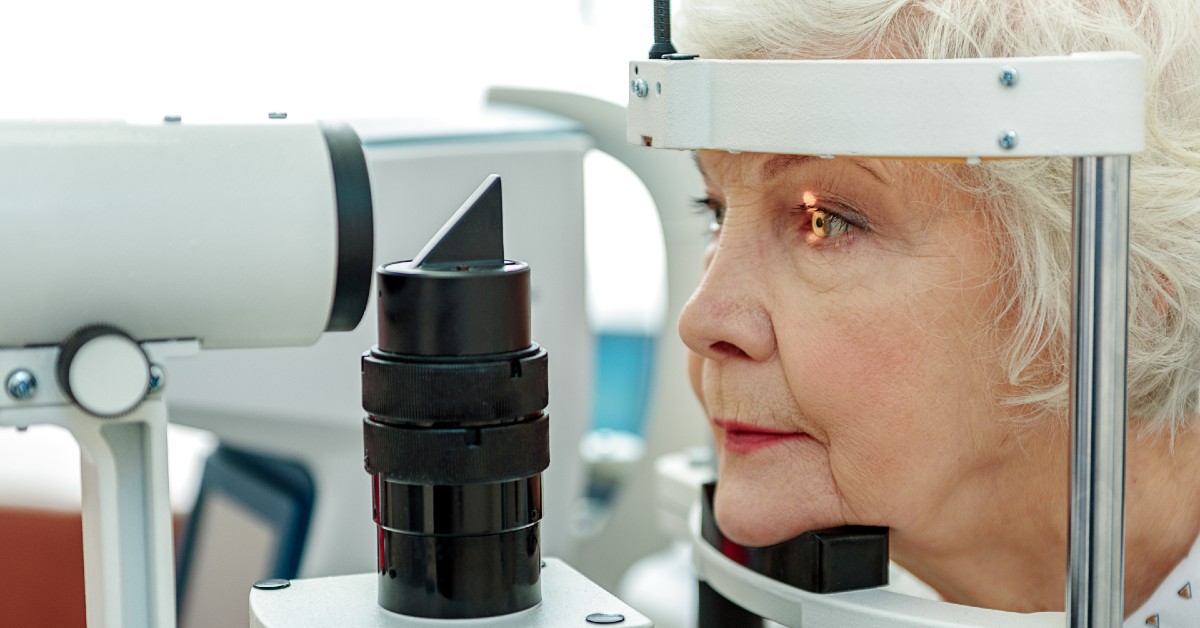
Cataract appears when the lens (or the lens inside the eye) gradually loses its transparency, until it becomes opaque and no longer allows light to enter the eye. Usually, it appears in elderly people and the most important symptom of cataract is progressive vision loss. Initially, like a foggy sensation that doesn't go away, which then progressively worsens. If not treated in time, cataract leads to severe vision loss and makes it difficult, even impossible, to carry out normal daily activities.
What Are the Causes of Cataract?
The most common cause of cataract development is advanced age. You can think you have cataract if, after 60 years, vision changes both at distance and near. This is primary cataract (or senile cataract), the most common type of cataract encountered.
However, there are situations where cataract can appear earlier, having as causes other associated diseases, either systemic diseases or eye diseases. The most common causes of secondary cataract development are:
- eye trauma;
- following medications or treatments administered long-term, such as: corticosteroids, phenothiazines, amiodarone, busulfan, irradiation;
- pathological cataract can appear as a complication in diseases such as diabetes mellitus, Wilson's disease, atopic dermatitis, neurofibromatosis type 2, tetany;
- also, in certain pre-existing eye diseases, complicated cataract can appear; thus, high myopia, chronic uveitis, pseudoexfoliation syndrome, retinal detachment or ocular surgical interventions (especially after posterior vitrectomy, internal silicone oil tamponade) can be complicated by cataract development.
How Is Cataract Classified?
The diagnosis of cataract type is made by the ophthalmologist, based on office examination, symptoms, patient age and health status. There are several classification criteria:
- according to the time of onset, cataract can be congenital (appeared from birth) or acquired (during life);
- according to etiology, there is primary cataract (senile) and secondary cataract (in people with chronic general or eye diseases);
- according to location, it can be cortical, nuclear and posterior subcapsular cataract;
- according to the degree of evolution, cataract can be: incipient, mature or hypermature.
Depending on the type, degree of evolution and cataract symptoms, the doctor will recommend the best time for surgical treatment.
Cataract: Main Symptoms
Senile (age-related) cataract usually appears gradually, initially in one eye, then in the other and, therefore, often you don't realize when cataract appears.
The most characteristic symptom of cataract is decreased vision. You can think you have cataract if you perceive a "foggy" sensation, which is initially mild, it seems to you that images are no longer clear, doubling of objects, of contours appears. Usually, diopters change due to cataract development and you will feel that old glasses no longer help; in the early period, cataract symptoms can be improved by periodically changing diopters, which helps improve vision; in advanced stages however, glasses are no longer useful.
Other cataract symptoms you may perceive are:
- difficulty seeing at night (especially when driving)
- halos around light sources
- photophobia
- pale perception of colors
When cataract symptoms become constant and severe, you can face difficulties that affect your daily life, from reading, driving a car, watching TV. When vision decreases significantly, you can have difficulty appreciating distances, which can lead to household accidents, with much greater risks than the simple presence of cataract.
It is good that after 60 years, you have an annual ophthalmologic checkup so the doctor can detect cataract in time and evaluate the type of symptoms you present. Currently, there are no scientifically proven methods that prevent the onset or prevent the evolution of this disease. The only treatment method is surgical, by replacing the natural lens that is no longer transparent with a new, artificial, transparent lens. This operation, if done in time, can restore your vision, as it was before cataract appeared.
If you notice vision problems or you recognize yourself in the cataract symptoms, come for an ophthalmology consultation at Clario!
Frequently Asked Questions
The most characteristic symptom of cataract is decreased vision - a foggy sensation that is initially mild, images are no longer clear, doubling of objects appears.
The most common cause is advanced age. You can think you have cataract if, after 60 years, vision changes both at distance and near.
The only treatment method is surgical, by replacing the natural lens that is no longer transparent with a new, artificial, transparent lens.
