 Chat cu Clara AI

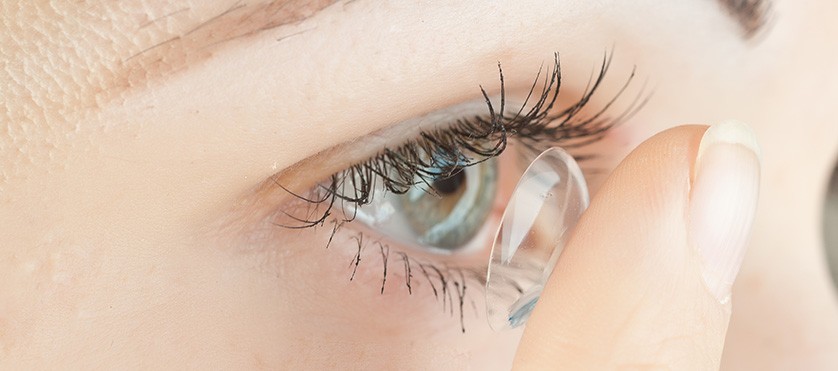
Good vision quality, independence from glasses and widened visual field are just a few arguments for which many people turn to wearing contact lenses.
How Does Contact Lens Discomfort Manifest?
Has it happened to you that, after a whole day of wearing contact lenses (CL), you have a sensation of discomfort? That your eyes feel tired? Or dry? That you no longer see very clearly? That your work colleagues tell you your eyes are red?
Any of these manifestations may represent the first sign that you need an ophthalmologic re-examination. Ignoring these signs and continuing to wear CL can lead to the appearance of complications, such as: giant papillary conjunctivitis (GPC), superficial punctate keratitis, corneal vascularization or infectious keratitis. These require temporary discontinuation of CL wear, specific treatment and resumption of wear after the complications have healed.
What Could Be the Causes Leading to These Manifestations?
It could be tear film instability, deficient blinking reflex, lesions produced by lenses that are too rigid, too tight, with insufficient O2 transmissibility, wearing too long compared to the doctor's recommendation, protein deposits on the lens surface, irritating maintenance solution, poor hygiene when applying and removing CL.
Procuring CL via the internet or from other unauthorized sources and using them without a specialist check – to certify good adaptation to the eyes – and also the lack of periodic checkups can lead to the appearance of complications.
What Solutions Exist?
For a large part of these inconveniences, the doctor can recommend changing current lenses with new generation ones, having improved properties, but also increasing the CL replacement frequency. You can switch from monthly replacement lenses to those with 2-week replacement or to 1-day wear lenses.
Regarding the improvement of CL properties in new generations, we can talk about increased O2 transmissibility (which contributes to maintaining the health of the ocular surface), degree of hydration (with effect on vision clarity and comfort state during prolonged wear), decreased CL rigidity (preventing the appearance of mechanical irritations). Some of the new CLs are treated to prevent protein and lipid deposits, with beneficial effects on vision quality and with decreased frequency of allergic complications. Increased protection against UV A and B radiation prevents the appearance of negative effects at the corneal limbus, lens and retina.
New generations of CLs that address patients with astigmatism ensure adequate correction and much clearer vision, eliminating the compromise of the spherical equivalent, with which vision was not the most performant. The greatest progress is represented by the appearance of daily, "single-use" CLs, having all the properties mentioned above. They are the healthiest, because they are not reused, reducing allergic and infectious risks that may occur as a result of repeated handling. Also, there is no longer a need for maintenance and cleaning with solutions that can be irritating.
Here are enough reasons to have an ophthalmologic re-evaluation at the first signs of ocular discomfort related to CL wear. The doctor's recommendation will be for the type of lens that is adapted to your eyes, accompanied by explaining the CL qualities, maintenance method, replacement rhythm and frequency of necessary periodic checkups. By following these recommendations, you can enjoy wearing contact lenses while having healthy eyes, good vision and prolonged comfort.
Frequently Asked Questions
Sensation of discomfort, tired or dry eyes, unclear vision, red eyes - any of these manifestations may represent the first sign that you need an ophthalmologic re-examination.
Giant papillary conjunctivitis (GPC), superficial punctate keratitis, corneal vascularization or infectious keratitis. These require temporary discontinuation of contact lens wear and specific treatment.
Daily, single-use contact lenses are the healthiest because they are not reused, reducing allergic and infectious risks that may occur as a result of repeated handling.
